Buy ssub.eu ?
We are moving the project
ssub.eu .
Are you interested in purchasing the domain
ssub.eu ?
domain@kv-gmbh.de · 0541-91531010
Buy ssub.eu ?
What is the efficiency n of the Stirling cycle process?
The efficiency n of the Stirling cycle process is given by the formula n = 1 - (Tc/Th), where Tc is the temperature of the cold reservoir and Th is the temperature of the hot reservoir. The Stirling cycle is known for its high efficiency compared to other thermodynamic cycles, as it can reach theoretical efficiencies of up to 50%. This high efficiency is due to the fact that the Stirling cycle operates on a closed loop system, allowing for better heat transfer and utilization of energy. **
What is the efficiency η of the Stirling cycle process?
The efficiency η of the Stirling cycle process is given by the formula η = 1 - (Tc/Th), where Tc is the temperature of the cold reservoir and Th is the temperature of the hot reservoir. The Stirling cycle is known for its high efficiency compared to other thermodynamic cycles, as it can reach efficiencies close to the Carnot cycle. The efficiency of the Stirling cycle can be improved by increasing the temperature difference between the hot and cold reservoirs or by reducing the internal irreversibilities within the system. **


Similar search terms for Cycle
Top-Angebote
Products related to Cycle:
-
Horizon 5.0IC Indoor CycleThe Horizon 5.0IC Indoor Cycle delivers a comfortable and smooth ride for both beginners and intermediate cyclists. Bluetooth FTMS easily connects to popular fitness apps like Zwift, Peloton, and Kinomap for an immersive workout experience. The bike’s 100 levels of digital resistance, magnetic...599,00 £*Shipping: 0,00 £Secure redirect to the provider
-
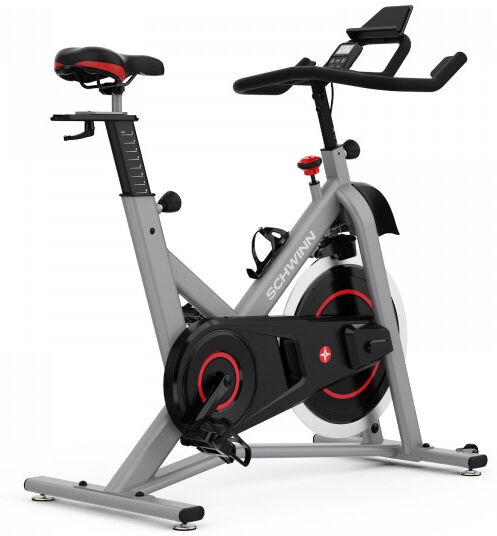
Schwinn IC3.5 Indoor CycleRide Your Way The Schwinn IC3.5 turns your own smartphone or tablet into the centre of your ride. Connect to JRNY, Peloton, Zwift or Kinomap, then choose from studio classes, scenic routes and guided workouts.Choose from 100 electronic resistance levels and change the intensity with the touch of...649,00 £*Shipping: 0,00 £Secure redirect to the provider
-
BodyMax SC30 Indoor CycleENTER THE FAST LANE Entry-level bikes don't get much better than the BodyMax SC30 Indoor Cycle, the perfect choice for studio cyclists looking to bring the class to the home. Designed for home use, the SC30 is packed with useful features to get the most out of your ride. The SC30 has fully...175,00 £*Shipping: 0,00 £Secure redirect to the provider
-
BodyMax SC50 Indoor CycleIntroducing the BodyMax SC50 Over three years in development to produce an affordable, high-quality indoor cycle went into the creation of the BodyMax SC50. The new elegant look of the SC50 is backed up by premium features such as a 12kg flywheel with smooth magnetic resistance, 32 resistance...349,00 £*Shipping: 0,00 £Secure redirect to the provider



-
Can economic efficiency and productivity develop mutually?
Yes, economic efficiency and productivity can develop mutually. When businesses and industries become more efficient in their operations, they can produce more output with the same amount of input, leading to increased productivity. Similarly, when productivity increases, it can drive economic efficiency by reducing waste and improving resource allocation. Therefore, as businesses and industries focus on improving efficiency and productivity, they can reinforce and support each other's development. **
-
What would be a good example of an innovation to explain the product life cycle?
A good example of an innovation to explain the product life cycle is the evolution of smartphones. When smartphones were first introduced, they were a new and innovative product in the introduction stage of the product life cycle. As they gained popularity and became more widely adopted, they entered the growth stage. Over time, as new features and improvements were made, they reached the maturity stage. Finally, as new technologies and advancements emerged, older models began to decline in sales, entering the decline stage of the product life cycle. This example demonstrates how innovations can impact the different stages of a product's life cycle. **
-
What are the connections between efficiency and productivity?
Efficiency and productivity are closely connected in that efficiency refers to the ability to accomplish a task with minimal waste, effort, or cost, while productivity refers to the rate at which goods or services are produced. When a process or system is efficient, it can lead to increased productivity because it allows for more output to be generated with the same amount of input. Conversely, when productivity is high, it often indicates that the resources and processes are being used efficiently. Therefore, improving efficiency can lead to increased productivity, and vice versa, as they both contribute to the overall effectiveness of a business or organization. **
-
What is the difference between efficiency and productivity?
Efficiency refers to how well resources are utilized to achieve a specific goal or output, while productivity measures the output or results generated from a specific amount of input or resources. Efficiency focuses on minimizing waste and maximizing output with the resources available, while productivity is a measure of how much output is produced relative to the input used. In essence, efficiency is about doing things right, while productivity is about doing the right things. **
Does increasing productivity lead to higher economic efficiency?
Yes, increasing productivity can lead to higher economic efficiency. When a company or economy can produce more output with the same input of resources, it can lead to lower production costs and higher profits. This can also lead to lower prices for consumers, which can increase overall economic welfare. Additionally, higher productivity can lead to increased competitiveness in the global market, which can further contribute to economic efficiency. **
What is the relationship between productivity and economic efficiency?
Productivity and economic efficiency are closely related concepts. Productivity refers to the amount of output produced per unit of input, such as labor or capital. When productivity increases, more output is produced with the same amount of input, leading to greater economic efficiency. Economic efficiency, on the other hand, refers to the optimal allocation of resources to maximize output and minimize waste. Therefore, higher productivity often leads to greater economic efficiency as resources are used more effectively to produce goods and services. Conversely, lower productivity can lead to inefficiencies in resource allocation and reduced overall economic efficiency. **
Top-Angebote
Products related to Cycle:
-
MyOva Cycle Support Pmdd & Cycle Wellbeing Complex 60 Capsules (30Support your body throughout every stage of your monthly cycle with MyOva Cycle Support Pmdd & Cycle Wellbeing Complex 60 Capsules (30-Day Supply). This expertly formulated botanical supplement is designed to offer comprehensive menstrual cycle support for all women, particularly those experiencing the challenges of PMS or PMDD. Featuring the active form of Vitamin B6 (Pyridoxal 5'-Phosphate), this powerful complex contributes to the regulation of hormonal activity and supports normal psychological function, helping you maintain balance when you need it most.At the heart of this supplement is a premium blend of eight traditionally-used herbal extracts selected for their unique benefits. The advanced formula includes adaptogenic KSM-66 Ashwagandha and highly standardised Turmeric root extract, both deeply rooted in Ayurvedic traditions. It also features a synergistic mix of Broccoli extract, Griffonia Simplicifolia seed extract, Rhodiola Rosea, L-Theanine-rich Green Tea, and soothing Chamomile flower extract. Together, these carefully sourced botanical ingredients work in harmony to help manage cycle-related changes to mood, wellbeing, and overall comfort.Crafted to the highest standards, this 30-day supply is entirely vegan-friendly and proudly made in the UK. Whether you are looking to manage monthly mood fluctuations or seeking proactive daily wellbeing support, these easy-to-swallow capsules provide a clean, reliable, and natural way to nurture your body. Simply incorporate them into your daily routine to experience targeted, botanical support for a happier, more balanced cycle.Key BenefitsSupports comprehensive menstrual cycle health and overall wellbeing with a blend of Vitamin B6 and eight traditionally used botanical extracts - Regulates hormonal activity and promotes normal psychological function to help manage cycle-related changes in mood, PMS, or PMDD - Formulated with premium, standardized ingredients like KSM-66 Ashwagandha and Turmeric in a 100% vegan-friendly formula made in the UKIngredients:Broccoli (Brassica Oleracea Italica) Extract (5% Sulforaphane), Ksm-66 Ashwagandha (Withania Somnifera) Root Extract, Capsule Shell (Hydroxypropyl Methylcellulose), Turmeric (Curcuma Longa) Root Extract (95% Curcuminoids), Green Tea (Camellia Sinensis) Extract (60% L-Theanine), Griffonia Simplicifolia Seed Extract (30% 5-Hydroxytryptophan), Chamomile (Matricaria Recutita) Flower 5:1 Extract, Rhodiola Rosea Extract (3% Rosavin), Pyridoxal 5'-Phosphate. Storage and Safety warning Always consult your GP before taking nutritional supplements if you are taking medication or are under medical supervision. If pregnant or lactating please consult your doctor before using food supplements. Store in a cool dry place, out of reach of children. You should not take supplements as a substitute for a varied balanced diet. Side effects from this supplement are rare but please discontinue and contact your GP immediately in the event of an adverse reaction....27,00 £*Shipping: 0,00 £Secure redirect to the provider
-
HARPERCOLLINS In the FLO by Alisa Vitti – 28-Day Cycle Syncing Plan for Hormone Health & ProductivityHow women can improve their productivity, happiness, and physical well-being by keeping their natural cycles in mind and working with them (rather than ignoring them). In the Flo teaches women how to use their 28-day cycle to optimize their life by letting their internal clock and natural rhythms guide time management, diet, fitness, etc. (This is so simple and yet under-utilized it is shocking. It makes perfect sense when you think about it: You have different energy levels at different times of the month, different libido levels, etc. so why not use foresight to plan projects for when you are at your most effective, and understand when you need more emotional connection with others?) There are specific tips on what to eat and how to exercise depending on what phase you are in―and it works. Women are getting promotions, losing weight, and in one case thus far, literally clearing their endometriosis by using the cycle syncing method.4,95 £*Shipping: 1,99 £Secure redirect to the provider
-
Horizon 5.0IC Indoor CycleThe Horizon 5.0IC Indoor Cycle delivers a comfortable and smooth ride for both beginners and intermediate cyclists. Bluetooth FTMS easily connects to popular fitness apps like Zwift, Peloton, and Kinomap for an immersive workout experience. The bike’s 100 levels of digital resistance, magnetic...599,00 £*Shipping: 0,00 £Secure redirect to the provider
-
Schwinn IC3.5 Indoor CycleRide Your Way The Schwinn IC3.5 turns your own smartphone or tablet into the centre of your ride. Connect to JRNY, Peloton, Zwift or Kinomap, then choose from studio classes, scenic routes and guided workouts.Choose from 100 electronic resistance levels and change the intensity with the touch of...649,00 £*Shipping: 0,00 £Secure redirect to the provider
-
What is the efficiency n of the Stirling cycle process?
The efficiency n of the Stirling cycle process is given by the formula n = 1 - (Tc/Th), where Tc is the temperature of the cold reservoir and Th is the temperature of the hot reservoir. The Stirling cycle is known for its high efficiency compared to other thermodynamic cycles, as it can reach theoretical efficiencies of up to 50%. This high efficiency is due to the fact that the Stirling cycle operates on a closed loop system, allowing for better heat transfer and utilization of energy. **
-
What is the efficiency η of the Stirling cycle process?
The efficiency η of the Stirling cycle process is given by the formula η = 1 - (Tc/Th), where Tc is the temperature of the cold reservoir and Th is the temperature of the hot reservoir. The Stirling cycle is known for its high efficiency compared to other thermodynamic cycles, as it can reach efficiencies close to the Carnot cycle. The efficiency of the Stirling cycle can be improved by increasing the temperature difference between the hot and cold reservoirs or by reducing the internal irreversibilities within the system. **
-
Can economic efficiency and productivity develop mutually?
Yes, economic efficiency and productivity can develop mutually. When businesses and industries become more efficient in their operations, they can produce more output with the same amount of input, leading to increased productivity. Similarly, when productivity increases, it can drive economic efficiency by reducing waste and improving resource allocation. Therefore, as businesses and industries focus on improving efficiency and productivity, they can reinforce and support each other's development. **
-
What would be a good example of an innovation to explain the product life cycle?
A good example of an innovation to explain the product life cycle is the evolution of smartphones. When smartphones were first introduced, they were a new and innovative product in the introduction stage of the product life cycle. As they gained popularity and became more widely adopted, they entered the growth stage. Over time, as new features and improvements were made, they reached the maturity stage. Finally, as new technologies and advancements emerged, older models began to decline in sales, entering the decline stage of the product life cycle. This example demonstrates how innovations can impact the different stages of a product's life cycle. **
Similar search terms for Cycle
-
BodyMax SC30 Indoor CycleENTER THE FAST LANE Entry-level bikes don't get much better than the BodyMax SC30 Indoor Cycle, the perfect choice for studio cyclists looking to bring the class to the home. Designed for home use, the SC30 is packed with useful features to get the most out of your ride. The SC30 has fully...175,00 £*Shipping: 0,00 £Secure redirect to the provider
-
BodyMax SC50 Indoor CycleIntroducing the BodyMax SC50 Over three years in development to produce an affordable, high-quality indoor cycle went into the creation of the BodyMax SC50. The new elegant look of the SC50 is backed up by premium features such as a 12kg flywheel with smooth magnetic resistance, 32 resistance...349,00 £*Shipping: 0,00 £Secure redirect to the provider
-
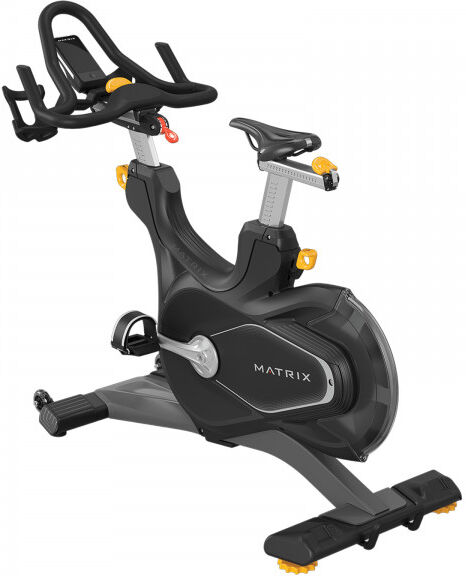
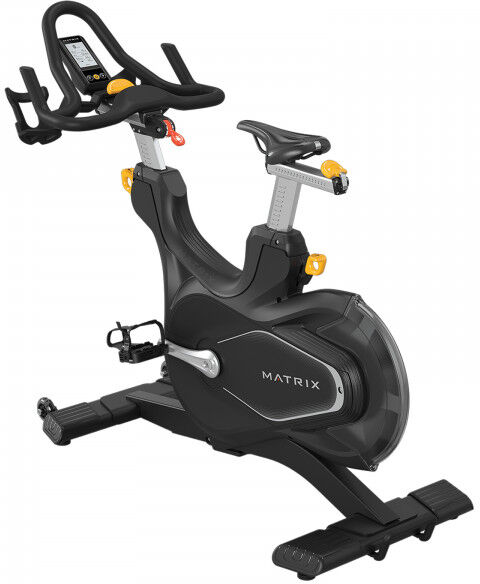
Matrix CXP Training CycleTHE MATRIX CXP TRAINING CYCLE The Matrix CXP Training Cycle gives riders the kind of experience they'll come back for time and time again. The CXP is designed to track personalised training metrics, optimised ergonomics and features Target Training LED colour wrap and, integrated Sprint 8...2195,00 £*Shipping: 0,00 £Secure redirect to the provider
-
Matrix CXM Training CycleTHE MATRIX CXM TRAINING CYCLE The Matrix CXM Training Cycle takes group fitness classes to the next level, bringing members back time and time again. High-design, low-maintenance engineering includes an intuitive LCD console that tracks watts, heart rate, RPMs, resistance level, distance and...1794,00 £*Shipping: 0,00 £Secure redirect to the provider
-
What are the connections between efficiency and productivity?
Efficiency and productivity are closely connected in that efficiency refers to the ability to accomplish a task with minimal waste, effort, or cost, while productivity refers to the rate at which goods or services are produced. When a process or system is efficient, it can lead to increased productivity because it allows for more output to be generated with the same amount of input. Conversely, when productivity is high, it often indicates that the resources and processes are being used efficiently. Therefore, improving efficiency can lead to increased productivity, and vice versa, as they both contribute to the overall effectiveness of a business or organization. **
-
What is the difference between efficiency and productivity?
Efficiency refers to how well resources are utilized to achieve a specific goal or output, while productivity measures the output or results generated from a specific amount of input or resources. Efficiency focuses on minimizing waste and maximizing output with the resources available, while productivity is a measure of how much output is produced relative to the input used. In essence, efficiency is about doing things right, while productivity is about doing the right things. **
-
Does increasing productivity lead to higher economic efficiency?
Yes, increasing productivity can lead to higher economic efficiency. When a company or economy can produce more output with the same input of resources, it can lead to lower production costs and higher profits. This can also lead to lower prices for consumers, which can increase overall economic welfare. Additionally, higher productivity can lead to increased competitiveness in the global market, which can further contribute to economic efficiency. **
-
What is the relationship between productivity and economic efficiency?
Productivity and economic efficiency are closely related concepts. Productivity refers to the amount of output produced per unit of input, such as labor or capital. When productivity increases, more output is produced with the same amount of input, leading to greater economic efficiency. Economic efficiency, on the other hand, refers to the optimal allocation of resources to maximize output and minimize waste. Therefore, higher productivity often leads to greater economic efficiency as resources are used more effectively to produce goods and services. Conversely, lower productivity can lead to inefficiencies in resource allocation and reduced overall economic efficiency. **
* All prices are inclusive of VAT and, if applicable, plus shipping costs. The offer information is based on the details provided by the respective shop and is updated through automated processes. Real-time updates do not occur, so deviations can occur in individual cases. ** Note: Parts of this content were created by AI.