Buy ssub.eu ?
We are moving the project
ssub.eu .
Are you interested in purchasing the domain
ssub.eu ?
domain@kv-gmbh.de · 0541-91531010
Buy ssub.eu ?
What are geometric quantities?
Geometric quantities are measurements or properties of geometric figures or shapes. These quantities can include length, area, volume, angles, and curvature. They are used to describe and analyze the characteristics of geometric objects in mathematics and physics. Geometric quantities play a crucial role in various fields such as engineering, architecture, and computer graphics. **
What are geometric patterns?
Geometric patterns are repetitive designs or motifs that are created using geometric shapes such as lines, circles, triangles, squares, and other geometric elements. These patterns can be found in various forms of art, architecture, textiles, and nature. Geometric patterns are characterized by their symmetry, order, and precision, and they are often used to create visually appealing and harmonious compositions. **

Similar search terms for Geometric
Top-Angebote
Products related to Geometric:
-
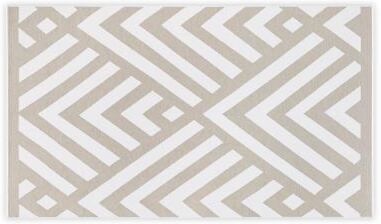
Nuloom Casual Geometric Indoor/ Outdoor Geometric Striped Area RugWhoever said beautiful floor accents are only for inside the home hasn't yet met an indoor/outdoor rug. Each unit is designed to stand up to the elements while adding a touch of charm to your surroundings.46,99 $*Shipping: 0,00 $Secure redirect to the provider
-
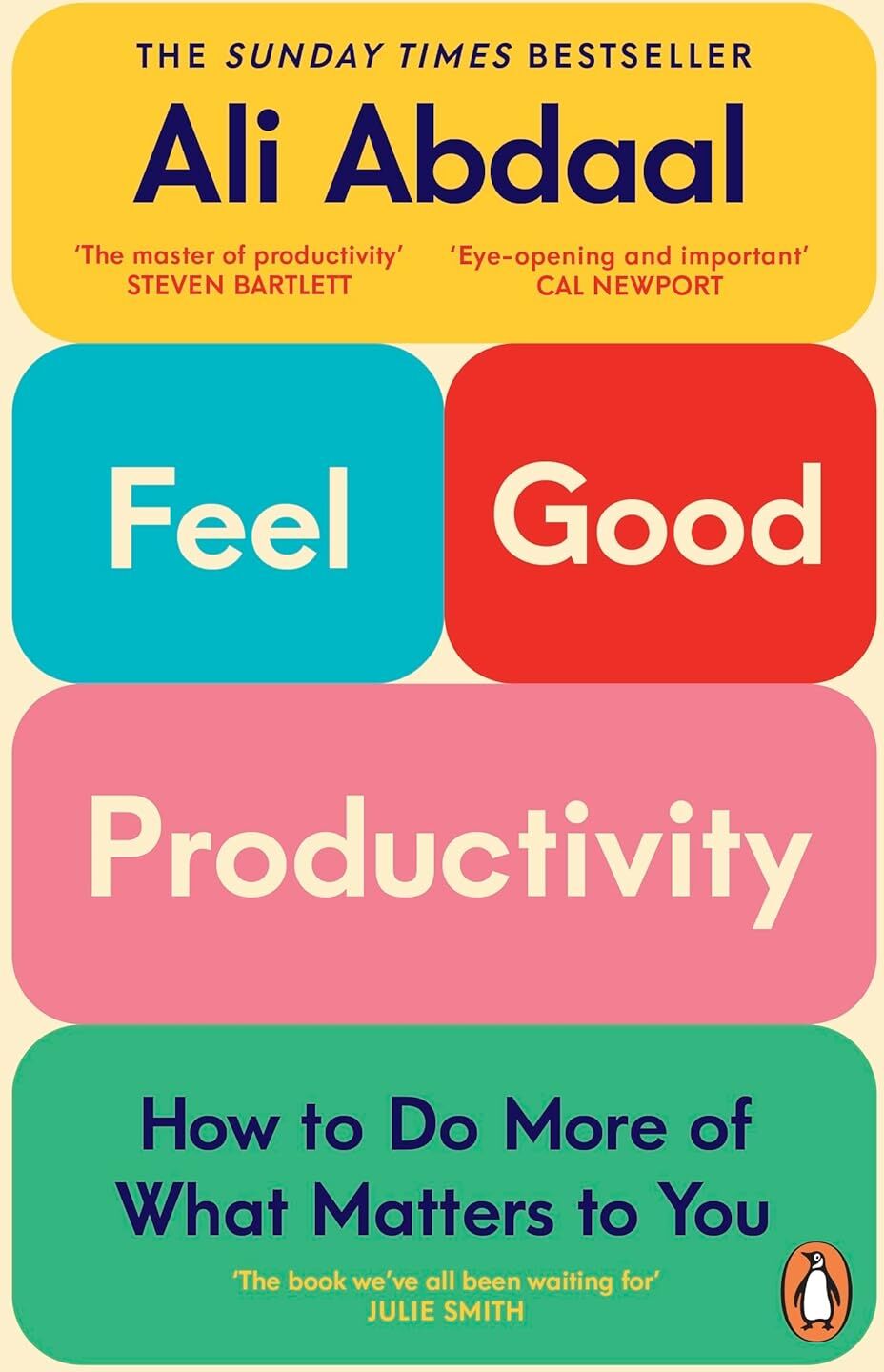
Cornerstone Feel-Good Productivity by Ali Abdaal - Paperback - Bestselling Self-Help & Productivity Book for AdultsDiscover a new approach to productivity with Feel-Good Productivity by Ali Abdaal. This non-fiction paperback book offers a guide to achieving more by finding genuine joy in your work, rather than relying on discipline and willpower. Backed by psychological research and Abdaal's own experience balancing medicine, business, and content creation, the book reframes productivity as a by-product of happiness. It's aimed at anyone feeling stuck in hustle culture and searching for a sustainable, guilt-free way to get things done while protecting their wellbeing and energy. In Feel-Good Productivity, Ali Abdaal dismantles the myth that success requires relentless grind and iron discipline. Instead, he presents a framework built around three 'energisers' — play, power, and people — showing readers how to inject more joy into everyday tasks so that motivation follows naturally rather than being forced. Drawing on peer-reviewed psychology, behaviour, and real-world experience, this book provides a fresh perspective on productivity and happiness.5,99 £*Shipping: 2,99 £Secure redirect to the provider
-
Playful Picks Geometric Star Cube Fidget Toy Geometric Star Cube Fidget ToyEveryone knows that a juicy steak savors your tastebuds. Everyone knows that playing with slime soothes you up. But did you know, fidgeting with the star cube feels just as great and relaxing Yes, this incredible, shape and colorchanging star cube...29,97 $*Shipping: 0,00 $Secure redirect to the provider
-
Studio 350 Gold Metal Geometric Dot Geometric Decorative Vase with White AccentsThe geometric centerpiece vase is perfect for displaying dried flowers in modern living rooms or offices. Designed with felt or rubber stoppers at the base that prevent scratching furniture and table tops, as well as sliding around.40,99 $*Shipping: 0,00 $Secure redirect to the provider



-
What is a geometric equation?
A geometric equation is an equation that involves geometric figures such as points, lines, angles, and shapes. These equations often describe the relationships between the various elements of a geometric figure, such as the lengths of sides, the measures of angles, or the properties of different shapes. Geometric equations are used to solve problems related to geometry and are fundamental in understanding the properties and relationships of geometric figures. **
-
What is a geometric sequence?
A geometric sequence is a sequence of numbers where each term after the first is found by multiplying the previous term by a constant factor. This constant factor is called the common ratio. For example, in the sequence 2, 6, 18, 54, the common ratio is 3 because each term is obtained by multiplying the previous term by 3. Geometric sequences can be represented by the formula an = a1 * r^(n-1), where a1 is the first term, r is the common ratio, and n is the term number. **
-
What geometric shapes are there?
There are many geometric shapes, including circles, squares, rectangles, triangles, pentagons, hexagons, octagons, and more. **
-
What is the geometric problem?
The geometric problem refers to any issue or challenge related to the study of shapes, sizes, and properties of objects in space. This can include problems related to finding the area, perimeter, volume, or angles of various geometric figures, as well as problems involving transformations, congruence, similarity, and other geometric concepts. Geometric problems often require the use of mathematical reasoning and visualization skills to solve. **

How do you calculate geometric shapes?
Geometric shapes can be calculated using various formulas depending on the shape. For example, the area of a rectangle is calculated by multiplying its length by its width, while the area of a circle is calculated by multiplying pi (approximately 3.14159) by the square of the radius. The perimeter of a shape is calculated by adding up the lengths of all its sides. To calculate the volume of a three-dimensional shape like a cube or cylinder, you would use specific formulas based on the dimensions of the shape. **
How does a geometric proof work?
A geometric proof works by using logical reasoning and established geometric principles to demonstrate the truth of a statement or theorem. It typically involves starting with given information or assumptions, and then using deductive reasoning to derive a series of logical steps that lead to the desired conclusion. Each step in the proof must be justified using previously proven theorems, postulates, or definitions. The goal of a geometric proof is to provide a clear and convincing argument for why a particular geometric statement is true. **
Top-Angebote
Products related to Geometric:
-
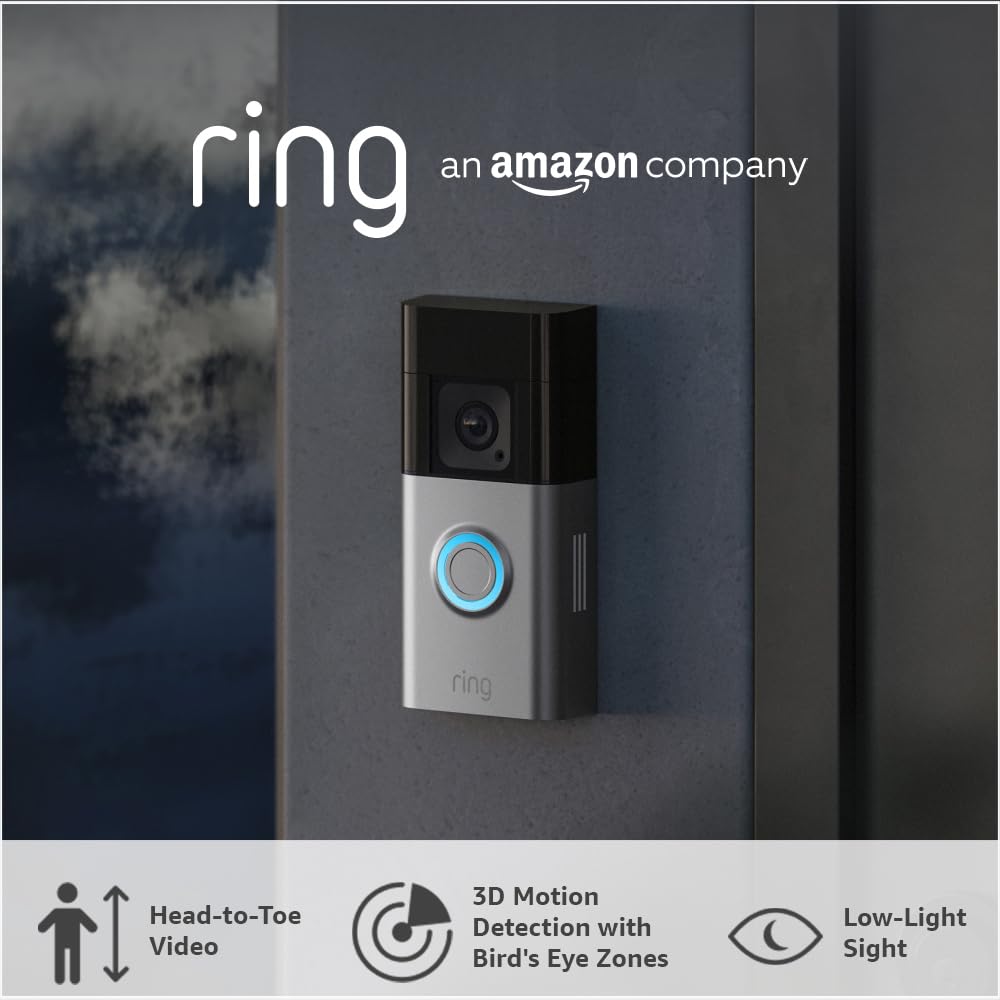
Ring Battery Video Doorbell Pro – Advanced Home Security & Connectivity, NewUpgrade your home security with the Ring Battery Video Doorbell Pro – Wireless Video Doorbell Security Camera . Designed to give you peace of mind, it delivers a head-to-toe 1536p HD view so you can see every detail clearly, from visitors to parcels at your doorstep. With advanced 3D Motion Detection and Bird’s Eye View , you’ll always know what’s happening around your home. The built-in colour night vision ensures crisp images even in the dark, while the wire-free battery design makes installation simple and flexible. Stay connected anywhere with instant notifications, two-way talk, and full integration with the Ring app, Alexa devices, and more. ✔️ Wireless video doorbell – Easy to install with a rechargeable battery, no wiring needed ✔️ 1536p HD head-to-toe view – See visitors and packages clearly in high definition ✔️ 3D Motion Detection & Bird’s Eye View – Advanced alerts and aerial perspective for extra security ✔️ Colour night vision – Crystal-clear video even in low light or darkness ✔️ Two-way talk with noise cancellation – Hear and speak to visitors in real time ✔️ Customisable motion zones – Focus on the areas that matter most ✔️ Smart alerts & notifications – Instant updates on your phone via the Ring app ✔️ Alexa compatible – Works seamlessly with Echo devices for hands-free monitoring ✔️ Quick-release battery pack – Easy to recharge and swap for uninterrupted security ✔️ Durable design – Built to withstand outdoor weather conditions The Ring Battery Video Doorbell Pro combines advanced motion detection, high-definition video, and smart home integration in one sleek device. Perfect for enhancing your home security, it ensures you never miss a visitor or delivery, day or night.174,49 £*Shipping: 0,00 £Secure redirect to the provider
-
The Readers Paradise Psychology of Efficiency: Master Your Mind, Maximize Your Output by Rishav - Self-Help Paperback - Non Fiction Productivity BookDeadlines pile up, distractions multiply, and your to-do list never seems to shrink. Psychology of Efficiency: Master Your Mind, Maximize Your Output by Rishav goes beyond standard time-management advice to tackle the real root of low performance: the mind itself. Rather than offering another planner or app, this paperback guide explores the mental frameworks, habits, and triggers that quietly drain focus and output. Readers are shown how to identify exactly where attention leaks occur and how to close those gaps for good, building sustainable, high-level performance from the inside out. This brand new paperback is built around a simple idea: efficiency is first a psychological skill, not a scheduling trick. Rishav draws on practical psychology to show that thoughts shape actions, and actions determine results, so productivity becomes a manageable skill rather than an overwhelming task.2,99 £*Shipping: 2,99 £Secure redirect to the provider
-
Nuloom Casual Geometric Indoor/ Outdoor Geometric Striped Area RugWhoever said beautiful floor accents are only for inside the home hasn't yet met an indoor/outdoor rug. Each unit is designed to stand up to the elements while adding a touch of charm to your surroundings.46,99 $*Shipping: 0,00 $Secure redirect to the provider
-
Cornerstone Feel-Good Productivity by Ali Abdaal - Paperback - Bestselling Self-Help & Productivity Book for AdultsDiscover a new approach to productivity with Feel-Good Productivity by Ali Abdaal. This non-fiction paperback book offers a guide to achieving more by finding genuine joy in your work, rather than relying on discipline and willpower. Backed by psychological research and Abdaal's own experience balancing medicine, business, and content creation, the book reframes productivity as a by-product of happiness. It's aimed at anyone feeling stuck in hustle culture and searching for a sustainable, guilt-free way to get things done while protecting their wellbeing and energy. In Feel-Good Productivity, Ali Abdaal dismantles the myth that success requires relentless grind and iron discipline. Instead, he presents a framework built around three 'energisers' — play, power, and people — showing readers how to inject more joy into everyday tasks so that motivation follows naturally rather than being forced. Drawing on peer-reviewed psychology, behaviour, and real-world experience, this book provides a fresh perspective on productivity and happiness.5,99 £*Shipping: 2,99 £Secure redirect to the provider
-
What are geometric quantities?
Geometric quantities are measurements or properties of geometric figures or shapes. These quantities can include length, area, volume, angles, and curvature. They are used to describe and analyze the characteristics of geometric objects in mathematics and physics. Geometric quantities play a crucial role in various fields such as engineering, architecture, and computer graphics. **
-
What are geometric patterns?
Geometric patterns are repetitive designs or motifs that are created using geometric shapes such as lines, circles, triangles, squares, and other geometric elements. These patterns can be found in various forms of art, architecture, textiles, and nature. Geometric patterns are characterized by their symmetry, order, and precision, and they are often used to create visually appealing and harmonious compositions. **
-
What is a geometric equation?
A geometric equation is an equation that involves geometric figures such as points, lines, angles, and shapes. These equations often describe the relationships between the various elements of a geometric figure, such as the lengths of sides, the measures of angles, or the properties of different shapes. Geometric equations are used to solve problems related to geometry and are fundamental in understanding the properties and relationships of geometric figures. **
-
What is a geometric sequence?
A geometric sequence is a sequence of numbers where each term after the first is found by multiplying the previous term by a constant factor. This constant factor is called the common ratio. For example, in the sequence 2, 6, 18, 54, the common ratio is 3 because each term is obtained by multiplying the previous term by 3. Geometric sequences can be represented by the formula an = a1 * r^(n-1), where a1 is the first term, r is the common ratio, and n is the term number. **
Similar search terms for Geometric
-
Playful Picks Geometric Star Cube Fidget Toy Geometric Star Cube Fidget ToyEveryone knows that a juicy steak savors your tastebuds. Everyone knows that playing with slime soothes you up. But did you know, fidgeting with the star cube feels just as great and relaxing Yes, this incredible, shape and colorchanging star cube...29,97 $*Shipping: 0,00 $Secure redirect to the provider
-
Studio 350 Gold Metal Geometric Dot Geometric Decorative Vase with White AccentsThe geometric centerpiece vase is perfect for displaying dried flowers in modern living rooms or offices. Designed with felt or rubber stoppers at the base that prevent scratching furniture and table tops, as well as sliding around.40,99 $*Shipping: 0,00 $Secure redirect to the provider
-
Uplifted Finds Hexagon Floating Wall Shelf And Geometric Geometric Storage Rack Set lTake absolute control of your wall real estate and establish flawless structural order over your decorative accents with this premium hexagon floating wall shelf. Masterfully engineered with a modern geometric honeycomb layout and a flush...108,97 $*Shipping: 0,00 $Secure redirect to the provider
-
What geometric shapes are there?
There are many geometric shapes, including circles, squares, rectangles, triangles, pentagons, hexagons, octagons, and more. **
-
What is the geometric problem?
The geometric problem refers to any issue or challenge related to the study of shapes, sizes, and properties of objects in space. This can include problems related to finding the area, perimeter, volume, or angles of various geometric figures, as well as problems involving transformations, congruence, similarity, and other geometric concepts. Geometric problems often require the use of mathematical reasoning and visualization skills to solve. **
-
How do you calculate geometric shapes?
Geometric shapes can be calculated using various formulas depending on the shape. For example, the area of a rectangle is calculated by multiplying its length by its width, while the area of a circle is calculated by multiplying pi (approximately 3.14159) by the square of the radius. The perimeter of a shape is calculated by adding up the lengths of all its sides. To calculate the volume of a three-dimensional shape like a cube or cylinder, you would use specific formulas based on the dimensions of the shape. **
-
How does a geometric proof work?
A geometric proof works by using logical reasoning and established geometric principles to demonstrate the truth of a statement or theorem. It typically involves starting with given information or assumptions, and then using deductive reasoning to derive a series of logical steps that lead to the desired conclusion. Each step in the proof must be justified using previously proven theorems, postulates, or definitions. The goal of a geometric proof is to provide a clear and convincing argument for why a particular geometric statement is true. **
* All prices are inclusive of VAT and, if applicable, plus shipping costs. The offer information is based on the details provided by the respective shop and is updated through automated processes. Real-time updates do not occur, so deviations can occur in individual cases. ** Note: Parts of this content were created by AI.